
Protect the concept. Control the budget.
Value Engineering at LUCID is not about stripping a project down—it’s about designing smarter. We test options, reduce hidden risk, and lock decisions in a coordination-ready workflow so the built outcome stays true to the original intent.
Value Engineering without design compromise.
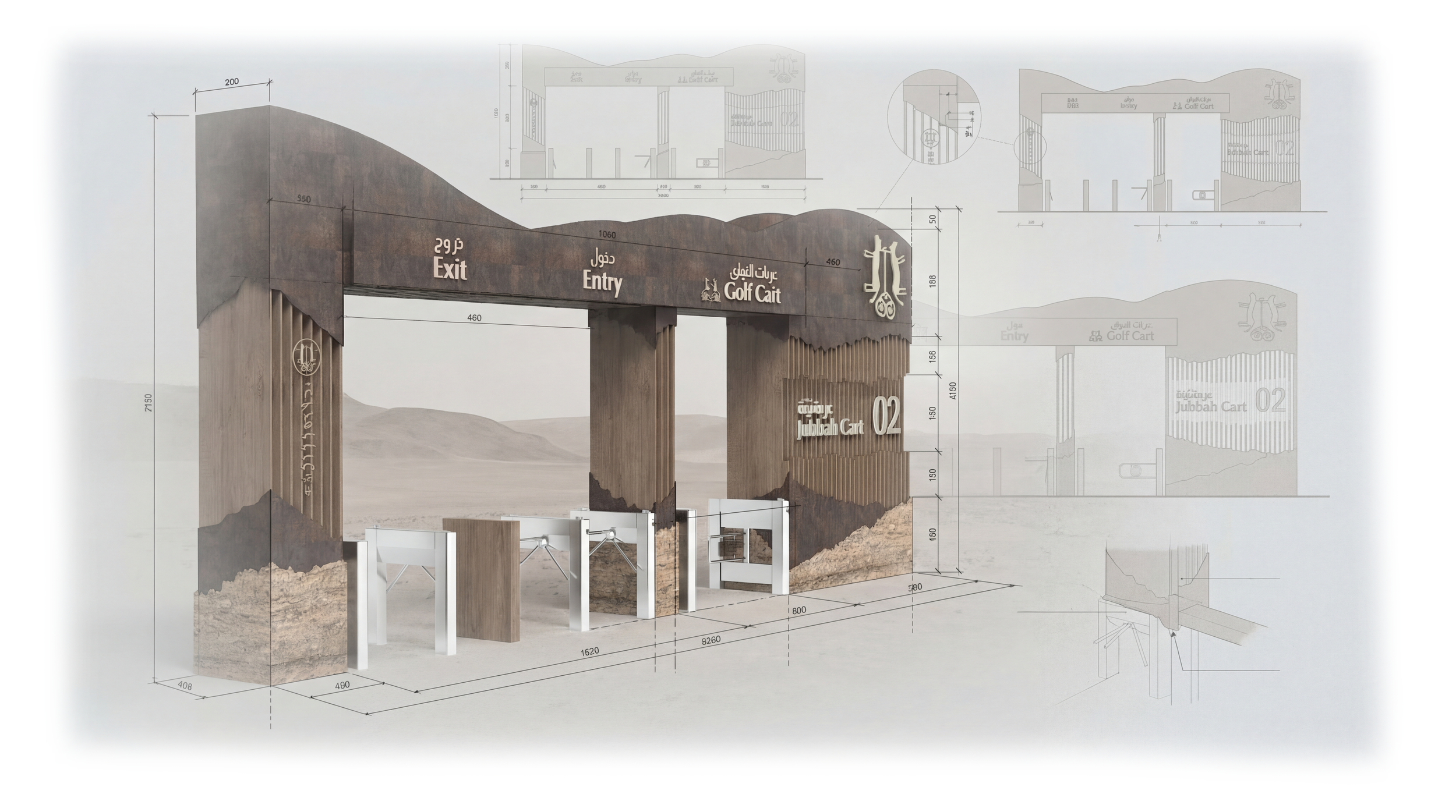
For us, VE is a design discipline: we improve value by balancing experience, buildability, and lifecycle performance—not by chasing the cheapest substitution. The biggest savings rarely come from one product swap. They come from clarifying the system, simplifying complexity, and coordinating decisions early enough to avoid costly changes later.
Clash-free, site-ready
·
Equivalency rules defined
·
Total cost, not unit cost
·
Decisions locked in BIM
·
Clash-free, site-ready · Equivalency rules defined · Total cost, not unit cost · Decisions locked in BIM ·
The 3 pillars of value
-

Design Intent Protected
We safeguard atmosphere, hierarchy, and narrative. Options are evaluated against the effect you designed—not against a spreadsheet alone.
-

Collaborate Openly Buildability & Risk Reduced
We check installation logic, access, tolerances, and coordination dependencies—so “value” doesn’t reappear as delays, RFIs, or rework on site.
-

CAPEX + OPEX Balanced
We consider cost across the full lifecycle: energy, maintenance, replacement cycles, and operational reliability—so the project performs long after handover.
A process you can trust.

Step 1 — Diagnose
We identify what must be protected (intent and performance) and where the budget is most sensitive—so effort goes where it matters.
Step 2 — Generate Options
We develop equivalent paths with clear trade-offs—without diluting the design language.
Step 3 — Validate
We test implications across disciplines and coordination—because “cheaper” that breaks buildability isn’t value.
Step 4 — Lock
We document decisions and equivalency rules so teams can deliver consistently through later stages and into construction.
What you receive after a VE review

You don’t get opinions—you get decision-ready outputs that can be implemented in design and carried into procurement and delivery.
Deliverable items :
Option Matrix: option → impact on effect → cost logic → risk
Equivalency Rules: what can be substituted, what is non-negotiable
Coordination Notes: clashes, access, interfaces, installation constraints
BIM-Ready Updates: coordination-friendly information for the model workflow
Specification Direction: performance criteria that protects intent
Decision Log: what was chosen—and why—so the project doesn’t drift
Let’s stabilize scope before it becomes risk.